Mostrando entradas con la etiqueta architecture. Mostrar todas las entradas

lunes, 7 de noviembre de 2016

Gaudí and his "trencadís" style

Antoni Gaudí was a Spanish artist and architect who lived and worked in the 19th and 20th centuries (he was born in 1852 and died in 1926.)  One of the techniques he used was "trencadís"-- a mosaic form using broken ceramic tiles to add colour and shapes to a design.

Here are some examples of his work:

https://s-media-cache-ak0.pinimg.com/736x/29/18/a7/2918a7f6f703d5c271a7bce2789dabae.jpg
A lizard from Parque Guell in Barcelona

https://upload.wikimedia.org/wikipedia/commons/e/e7/Park_Guell_Lizard_hand.jpg

https://www.casabatllo.es/wp-content/uploads/2013/10/parc-guell.jpg
Benches in Parque Guell

We are going to take inspriration from this technique for our next art project!


lunes, 25 de abril de 2016

Renaissance Art and Architecture

The Renaissance developed in Italy, then spread throughout Europe. During this period, artists revisited ancient Greek and Roman works.

Renaissance architecture emphasised straight lines and simplicity. 

Do you recognize this building?

http://farm6.static.flickr.com/5255/5395632091_101c4d462d_z.jpg

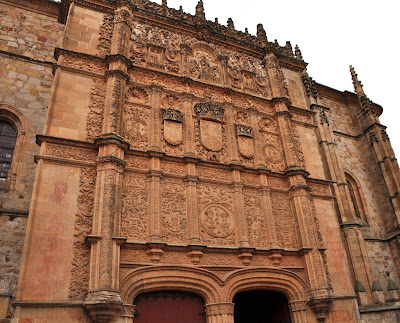
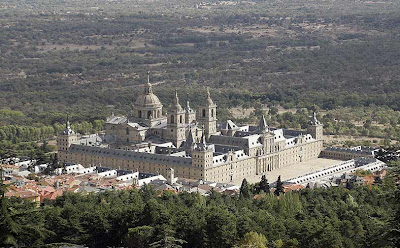
It has a mix of three architectural styles of the era: Plateresque, Hererrian, and Purist.  It was built in the 16th century.

The most famous example of the Plateresque style is the facade of the University of Salamanca. We can see many decorative elements, such as crests, columns, medallions, human and animal figures...

https://blogger.googleusercontent.com/img/b/R29vZ2xl/AVvXsEjLfzXTCdU8p2GnzcO1sni1Ru-DKMiBlpb8dh4gZxt4D_HN_Yc6cbmsB1QXQjbOT3XGd7DtwXq_taPp7nKWJvhF2G5OWb-YPrJJuejC7oXIgUOPxR-BD05UIyBussJq34enQ8_sqjH2LYCm/s400/plateresco+fachada+universidad+salamanca.JPG

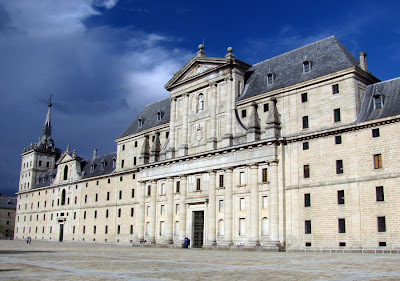
Here is an example of the Herrerian style: El Escorial, comissioned by Phillip II. The facades are simple and sober.

https://blogger.googleusercontent.com/img/b/R29vZ2xl/AVvXsEhf0yVAGnRPICRetO0cREnRBJb1rMD4NawM5JR4O1508rBKrurWPANTJfKrKNijH3-1Rc_tLKEED-Iz53ctYKu6cFK9fflnASknbOiAhZgmtIF55PyBkYY83LjCtwvLJTuJsCCHEIL49YU/s400/Monasterio+de+El+Escorial.jpg

https://blogger.googleusercontent.com/img/b/R29vZ2xl/AVvXsEgvJCH34dJGFgDRPXsyJ4Ni-D8Z9g236UkM3dhOIvf408byyf-p-N6mOEhcy2PMiSKtDZ2tJ1-XBZyNwhbo8keC48cnP45iqjwCIHjBPcIunXhB2pc4lrofSZBjOARgQYguu_nG3D4Y-aBd/s1600/herreriano+palacio+el+escorial.JPG

Here is a presentation about Renaissance architecture in Spain, and also El Greco.


Spanish Renaissance and El Greco from neni


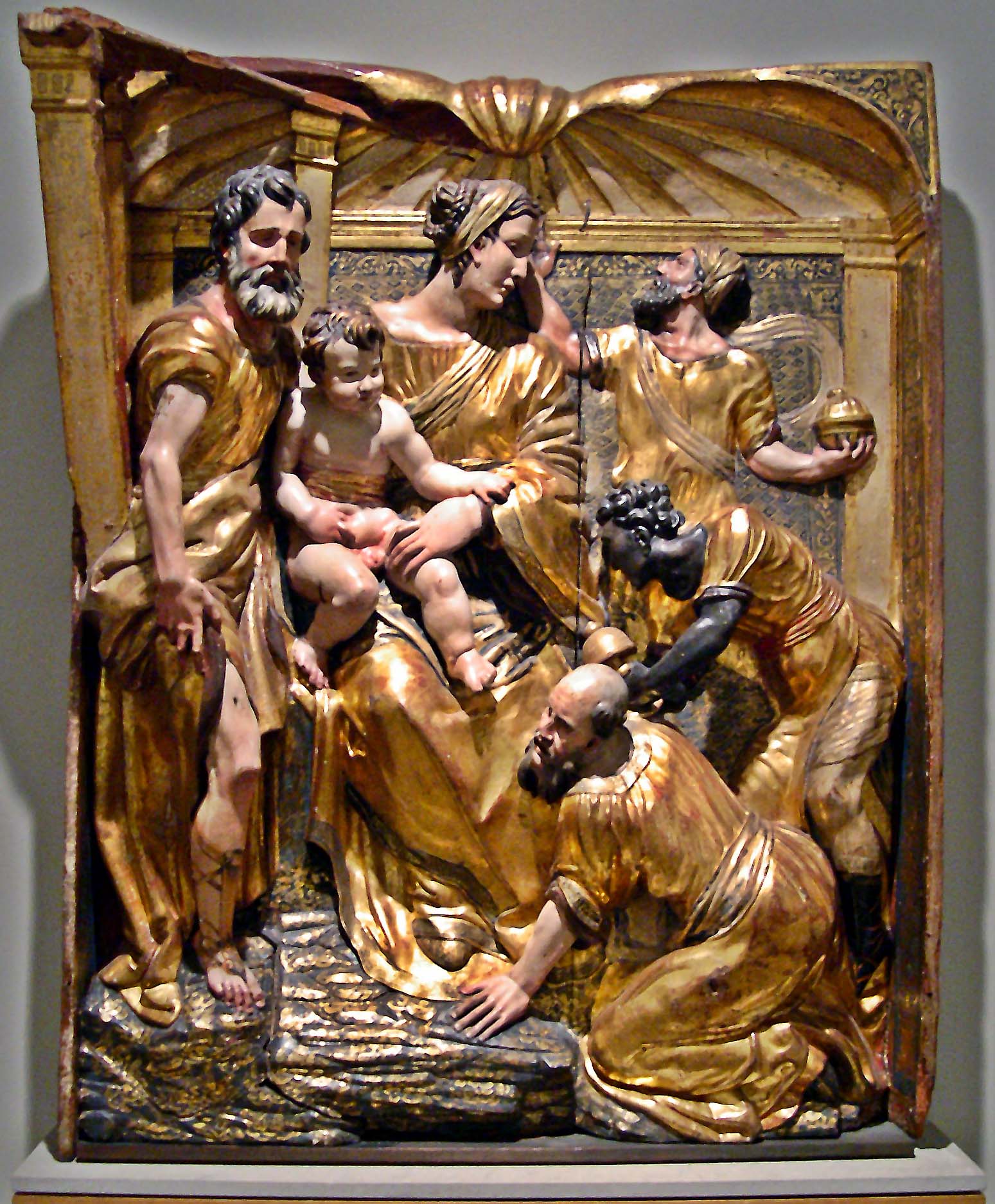
In sculpture, polychrome (many-coloured) wooden sculptures depicted religious themes. Here is some work by Alonso de Berruguete.

https://upload.wikimedia.org/wikipedia/commons/d/d8/Adoracion_de_los_Magos_(Alonso_Berruguete).jpg
Adoración de los Magos, Alonso de Berruguete

https://blogger.googleusercontent.com/img/b/R29vZ2xl/AVvXsEjYlqAzk_Y1bJnYx9BbeyZzFaythpwQnsfiN7JiR96gXFd02ioDWlW4vCmzvjln9Bl5LxjWL11ubbuapMc4eFg5PEXJFhwH6GAo6ChLKQxTuVtBYdwvMFyYSN1_sblIz2mfClavKrY64zhz/s1600/berruguete2.jpg
Ecce Homo, Alonso de Berruguete


And El Greco was a famous Spanish Renaissance painter.

https://upload.wikimedia.org/wikipedia/commons/thumb/7/7f/El_caballero_de_la_mano_en_el_pecho,_by_El_Greco,_from_Prado_in_Google_Earth.jpg/799px-El_caballero_de_la_mano_en_el_pecho,_by_El_Greco,_from_Prado_in_Google_Earth.jpg
El caballero de la mano en pecho, El Greco


http://www.elgreco.net/images/paintings/cleansing-of-the-temple.jpg
Christ driving the moneychangers from the temple, El Greco


sábado, 27 de febrero de 2016

My project!

Here is my example for the architecture project.

This is the Iglesia de San Miguel in Arcones, Segovia. 


It was built in the 13th Century AD.  It is in the Romanesque style. It has thick walls and small windows. It is made of stone and has some doors and a window with a rounded arch. 


The original structure has been modified in some ways but it still has some original elements.


martes, 23 de febrero de 2016

Now it's your turn!

Now you have to find information about a church in Spain. It can be a small church from a village or a big cathedral.  Give information about it:  

--Where is it?
--When was it built?
--What architectural style is it?
--What are the characteristics of this style?

Put your information on an A4 card (cartulina tamaño folio) and include pictures!

Due: Tuesday, 1st of March.

Architecture: Vaulting

Your book talks about "barrel vaults" (Romanesque) and "ribbed vaults" (Gothic). But, what does that mean?  Here are some pictures:


Barrel vault:

http://www.setareh.arch.vt.edu/safas/design_imgs/Barrel%20Vault%20of%20Basilica%20of%20St%20Sernin%201100.jpg


http://study.com/cimages/multimages/16/abbey_of_boscodon-nef.jpg3.jpg


Ribbed vault:

https://classconnection.s3.amazonaws.com/408/flashcards/693408/jpg/q47596931326752525687.jpg

http://www.essential-architecture.com/STYLE/me04-Salisbury_Cathedral_Detail_Arches.jpg

lunes, 22 de febrero de 2016

Romanesque vs. Gothic Architecture

In Spain, many Romanesque churches, monasteries, and cathedrals were built between the 11th century and the mid-12th century.

Here are some of the characteristics:

--Stone replaces wood as the main construction material.
--Buildings had thick walls and not many windows. The windows were small.
--The arches were semicircular.
--They used barrel vaults.


Here is a Romanesque church, San Martin de Tours, in Palencia.

By I, Santiperez, CC BY-SA 3.0, https://commons.wikimedia.org/w/index.php?curid=2524492


Gothic Architecture was popular from the 12th century to the 16th century.  

Its characteristics:

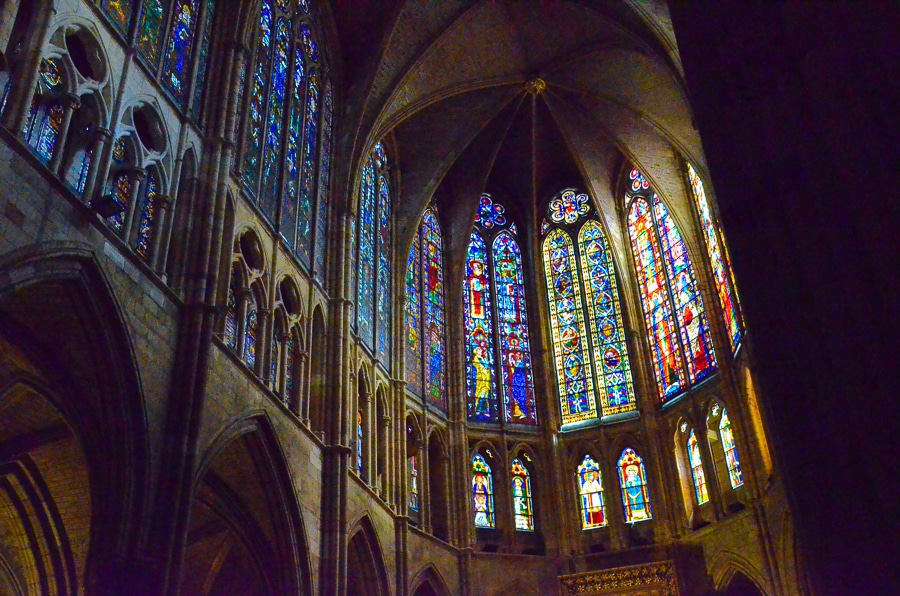
--Churches were tall and let in a lot of light.
--Walls were thinner and had large, stained-glass windows.
--The pointed arch was used.
--They used ribbed vaults.

Can you find all three of these characteristics in the Cathedral of León?

https://upload.wikimedia.org/wikipedia/commons/9/93/Fachada_de_la_Catedral_de_Le%C3%B3n.jpg

https://travelpast50.com/wp-content/uploads/2013/01/cathedralleon.jpg


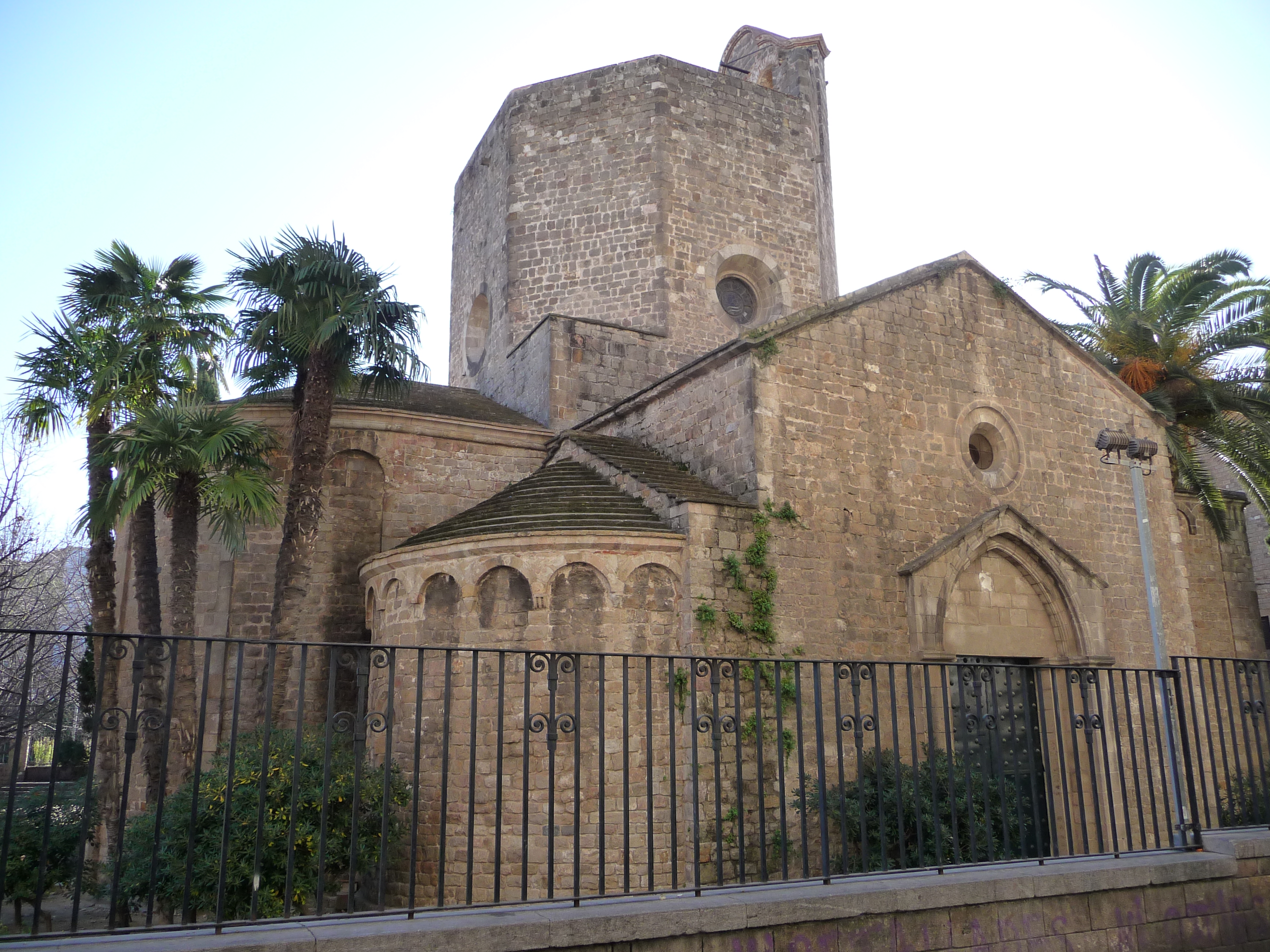
Do you think these buildings are Romanesque or Gothic?


Monastery of San Pau, Barcelona
https://bedandbreakfastinbarcelona.files.wordpress.com/2012/02/sant-pau-del-camp-004.jpg


Burgos Cathedral, Spain


http://www.pelerin.com/var/pelerin/storage/images/compostelle-et-autres-chemins/chemin-de-saint-jacques-de-compostelle/le-camino-frances-vers-saint-jacques-de-compostelle/fromista-castilla-y-leon/27731526-3-fre-FR/Fromista-Castilla-y-Leon_lightbox_full.jpg
Frómista, Castilla-León