Mostrando entradas con la etiqueta living things. Mostrar todas las entradas

lunes, 28 de noviembre de 2016

Giving a response

We are learning about body systems in Natural Science. First we are going to study how we receive information, process information, and give a response.

Here is a nice summary of the process.

Here is a game about the Nervous System.


https://blogger.googleusercontent.com/img/b/R29vZ2xl/AVvXsEhkDCvxEDog_5DkmXCL1IrO5z5A6o2qfbW7fyGrJEW1t_dzzcmDy5_7YZG0mNY6fb_RJ_lD3tgkYa-De_R9vO-mjWEUObBVxTujmEtNU1U3qFaQYhy3NGjGiIq0NntItqxRP6k7OZr1DluU/s320/Brain_parts.gif

https://sites.google.com/a/springfield.k12.or.us/human-body-systems-jett-am/_/rsrc/1329847573721/home/central-nervous-system/vertebraeandspinalcord.jpg?height=256&width=320

lunes, 12 de septiembre de 2016

My Holidays

On my holidays, I visited my family in New York. (The State of New York-- not New York City!)  It rains a lot there and everything is very green.

Here are some pictures!

Do you remember what this kind of plant is called? What type of plant is it?  How does it reproduce?


What are these two things growing on the dead tree? What can you remember about each one?  


What kind of ecosystem do all of these organisms live in?

And, what ecosystem is this?  
What are the living and non-living elements in it?


What type of animal is this?  What ecosystem does it live in?


sábado, 4 de junio de 2016

Lichen: an interspecific relationship

At GREFA we saw a lichen on a tree. Lichen can only live where the air is clean.


A lichen is an example of an interspecific relationship. It is the association between an algae and a fungus (hongo).  It grows mostly on the north side of the tree, because it likes moisture and does not like a lot of direct sunlight.

The algae is a plant, so it performs photosynthesis and provides nutrients.  The fungus provides shape and structure to the organism. This is beneficial to both, so they have a relationship called "symbiosis."


Here is a video:


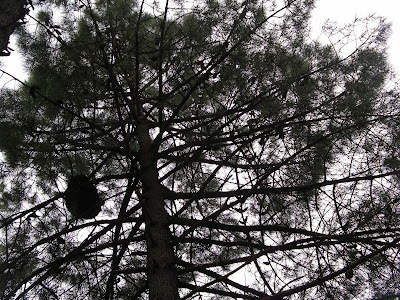
Here is another example of an interspecific relationship we saw at GREFA: a disease in a tree that is a relationship between bacteria and fungus, that is harmful to the tree. This kind of interspecific relationship is called  "parasitism."

https://blogger.googleusercontent.com/img/b/R29vZ2xl/AVvXsEiDmE8iLss5qJawp366ntHtATmCXvuFcQu0xFH_-iKy9DIQq4BtcwctEbWmWU1uwAVC0v4yPvmFCjEiKmTNQnisO2PpyyQIsKs3AMl-rtFLKLSAW_6ZOob0j5qHJ-7W54TUo1Jkpk0oPAKG/s1600/004+Escoba+de+bruja+en+pino.+La+Maroma+por+el+Robledal.+26-3-2010..JPG


lunes, 2 de mayo de 2016

A walk in the mountains

Yesterday I went for a walk in the mountains, and guess what I saw!

Some fungi!  A mushroom: you can see the stem and the gills.


I also found some mosses. In some of the pictures you can even see the spore capsules.


And I saw some ferns, but they are still very small because they are just starting to grow in the spring. They don't have any spore capsules yet,  There were also some old, dry ones from last year.


I hope you had a nice break!


miércoles, 20 de abril de 2016

Fungi Kingdom

In the Fungi kingdom we have moulds:


http://leavingbio.net/fungus/Fungi2_files/image041.jpg

Mushrooms:

http://mrblacksarmy.weebly.com/uploads/1/2/4/0/12405306/8406338_orig.gif

Some fungi are unicellular, like yeast. (We use this to make bread!)

http://www.kingarthurflour.com/images/YeastC9F.jpg

The Protista Kingdom

 There is a wide variety of different organisms in the Protista Kingdom.

They can move in different ways. The amoeba uses pseudopods (pseudo= false, pod= foot):


http://images.medicaldaily.com/sites/medicaldaily.com/files/styles/full_breakpoints_theme_medicaldaily_desktop_1x/public/2014/08/28/ameoba.jpg


The paramecium uses cillia: 

http://www.biologycorner.com/resources/paramecium.gif

http://www.mikrowelt.info/02_Einzeller/03_Protozoen/IMAGES/PARAMECIUM_BURSARIA_201005A.JPG


Algae also belong to this kingdom.

http://protist.i.hosei.ac.jp/pdb/Images/Chlorophyta/Filamentous_algae/sp_9e.jpg


Some Protists, like amoeba, reproduce by cell division.

http://www.biology-resources.com/images/amoeba-fission-big.jpg

 Others reproduce by spores.


Monera Kingdom

Bacteria are part of the Monera Kingdom.  They are unicellular, and can have different shapes.

Some of them have  tail-like flagella that help them move around.

http://www.4to40.com/images/science/Monera_Characteristics/Monera_Characteristics.jpg


They reproduce by dividing.

http://leavingcertbiology.net/uploads/3/4/3/2/34323540/8719358.jpg?454

Some are autotrophs (they make their own food) and some are heterotrophs: they produce a substance that can break down plant or animal matter  to absorb the nutrients. 

Some bacteria can help us, and some can harm us. Bacteria can live in very cold temperatures and also very hot ones.

miércoles, 6 de abril de 2016

Characteristics of Vertebrate Animals

We can classify vertebrate animals into five groups. Here are their characteristics.

http://www.sheppardsoftware.com/content/animals/kidscorner/images/classification/all_mammals.gif

 Characteristics of mammals  game.

http://www.sheppardsoftware.com/content/animals/kidscorner/images/classification/all_reptiles.gif


http://www.sheppardsoftware.com/content/animals/kidscorner/images/classification/all_amphibians.gif


http://www.sheppardsoftware.com/content/animals/kidscorner/images/classification/all_birds.gif


http://www.sheppardsoftware.com/content/animals/kidscorner/images/classification/all_fish.gif

Here is a great game about different types of vertebrate animals and their characteristics.

Vertebrates body coverings.

Body coverings game.

How vertebrates breathe

Vertebrate reproduction


Tiny frog!

Remember the tiny frog that we saw in our book? The dime (American 10-cent coin) is a little bit bigger than the euro 1-cent coin.

APTOPIX Teeny Tiny Frog


We can see its bones through the skin in this picture:

http://ichef.bbci.co.uk/news/304/media/images/57832000/jpg/_57832302_froghands304.jpg

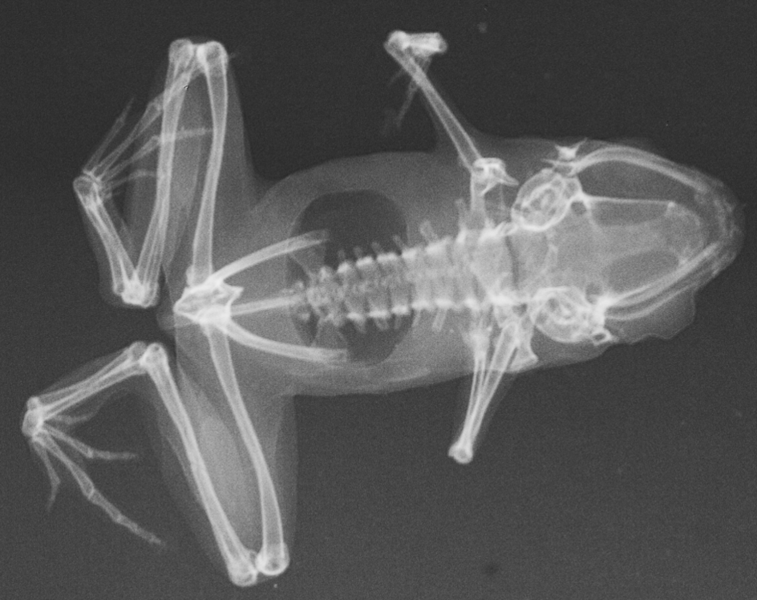
Here is an x-ray:

X-ray image showing the skeleton of Paedophryne amauensis


It was found in the rainforests of Papua New Guinea, in the Pacific Ocean (near Australia).

viernes, 11 de marzo de 2016

Virtual microscope

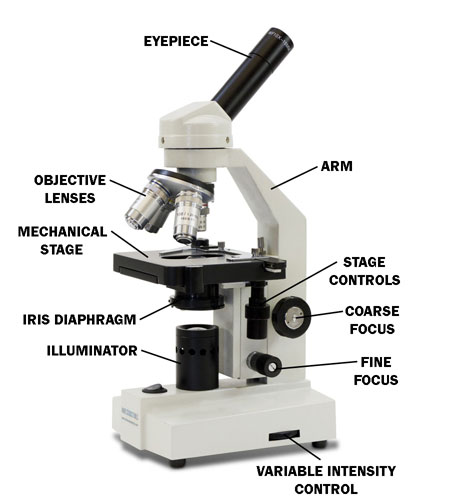
If you liked using the microscopes yesterday, you might want to try this digital microscope. You can choose the sample (muestra), adjust the settings, and look at your item.

The microscope is here.

Here is a video explaining how to use it (in English):


Have fun!

miércoles, 2 de marzo de 2016

Are you ready????

Tomorrow is your Natural Science Test. I hope you have studied hard!  Just a reminder of what you need to know:

Definitions:

biodiversity
cell
Interaction
Nutrition
Reproduction
nucleus
membrane
organelle
cytoplasm
cell membrane
chloroplast
vacuole
cell wall
unicellular organism
multicellular organism
tissues
organs
systems

Concepts:

Qualities our planet has that are necessary for life
Three basic life processes
The basic life processes in humans
What do cells do?
Shapes cells can be
Difference between plant cells and animal cells
Functions of the different parts of the cell
Different types of cells: shapes and funtions: red blood cells, nerve cells, reproductive cells
Unicellular and multicellular organisms
Organisation of living things: cells, tissue, organs, systems (plants and animals)
Different body systems in humans and the basic life function each carries out


Good luck!!!!!


sábado, 27 de febrero de 2016

Cells, tissues, and systems

Cell Organization   Cells             Tissues          Organs           SystemEpithelial cell   Epithelial tissue      Sto...

Watch this presentation. It has some very nice pictures of cells and some good explanations (you don't have to know all of the information-- only what is in the book!)


lunes, 22 de febrero de 2016

Looking at cells

Plant cells: watch the chloroplasts move!


Here is a short video about onion cells under a microscope.


Animal cells: frog's blood. You can see the nucleus, cytoplasm, and cell membrane.

lunes, 8 de febrero de 2016

Life processes in living things

Living things carry out three important life processes: interaction, nutrition, and reproduction.

Can you say which life process it is?


https://gsa-cmp-fileupload.s3.amazonaws.com/4033_Article_School_Lunch.png


http://pages.jh.edu/jhumag/996web/images/touch2.jpg


http://thumbs.dreamstime.com/x/cartoon-illustration-photosynthesis-process-29925058.jpg


https://thetalkingpot.files.wordpress.com/2014/02/chick_hatching_.jpg


http://www.unikpic.com/wp-content/uploads/2014/12/99584.jpg


http://www.whitememorial.org/uploads/BabyFamily-400x275.jpg

http://antranik.org/wp-content/uploads/2011/06/Dandelion.jpg